Gear Hobbing
CNC cutting for your tooth geometry.

Smooth, progressive engagement.
Angled teeth engage progressively to support smoother, quieter power transmission. Consider the load, speed and shaft arrangement when specifying the gear.
Supplied to your drawing by MAS Industrial Supply — specification review, documented inspection and one U.S. point of contact.
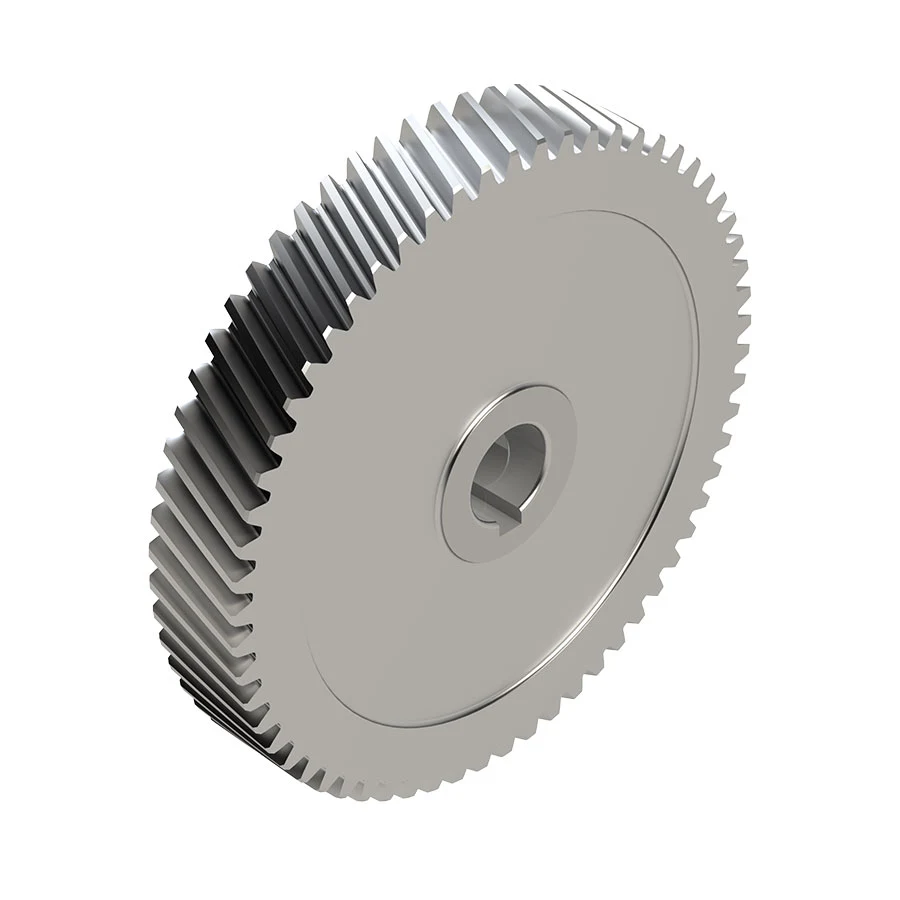
OVERVIEW
Helical gears engage gradually along the tooth face, which often supports quieter running and higher load capacity than an equivalent spur set in continuous-duty applications. They are widely used where vibration and noise matter as much as torque. Specify helix angle, hand of helix, module, materials and lubrication expectations together with shaft layout. Axial thrust from the helix should be accounted for in bearings and housing design.
Industries: Gearbox & speed reducer manufacturers · Energy equipment · Industrial manufacturing
PREPARE YOUR RFQ
Send what you have — a drawing, a part number or a sample. These details let us review the manufacturing and inspection route and quote accurately.
Read the full gear RFQ guide →MANUFACTURING & QUALITY
CNC cutting for your tooth geometry.
Material route and thermal requirements, defined for your component.
Profile, lead, pitch and runout checked on Klingelnberg gear metrology where specified, with records reviewed before shipment.
Manufacturing route, achievable quality class and lead time are confirmed after drawing review. Compare capabilities →
FAQ
Helical teeth engage gradually, which usually gives smoother, quieter running and higher load capacity. The trade-off is axial thrust, which the bearings and housing must carry.
Often, yes. A sample, the mating gear and key measurements help identify module, helix angle and hand; final geometry is confirmed before production.
Yes. Profile, lead, pitch and runout can be measured on Klingelnberg gear metrology and reported against the agreed quality class.
RELATED FAMILIES
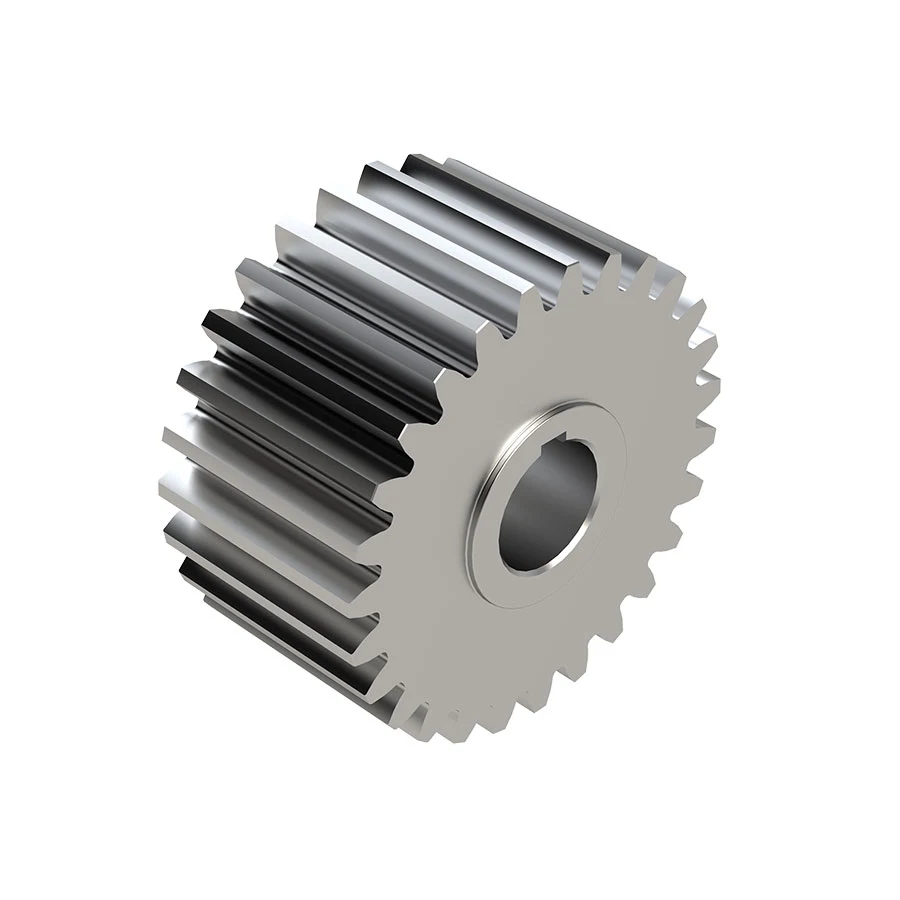
Straightforward power transmission
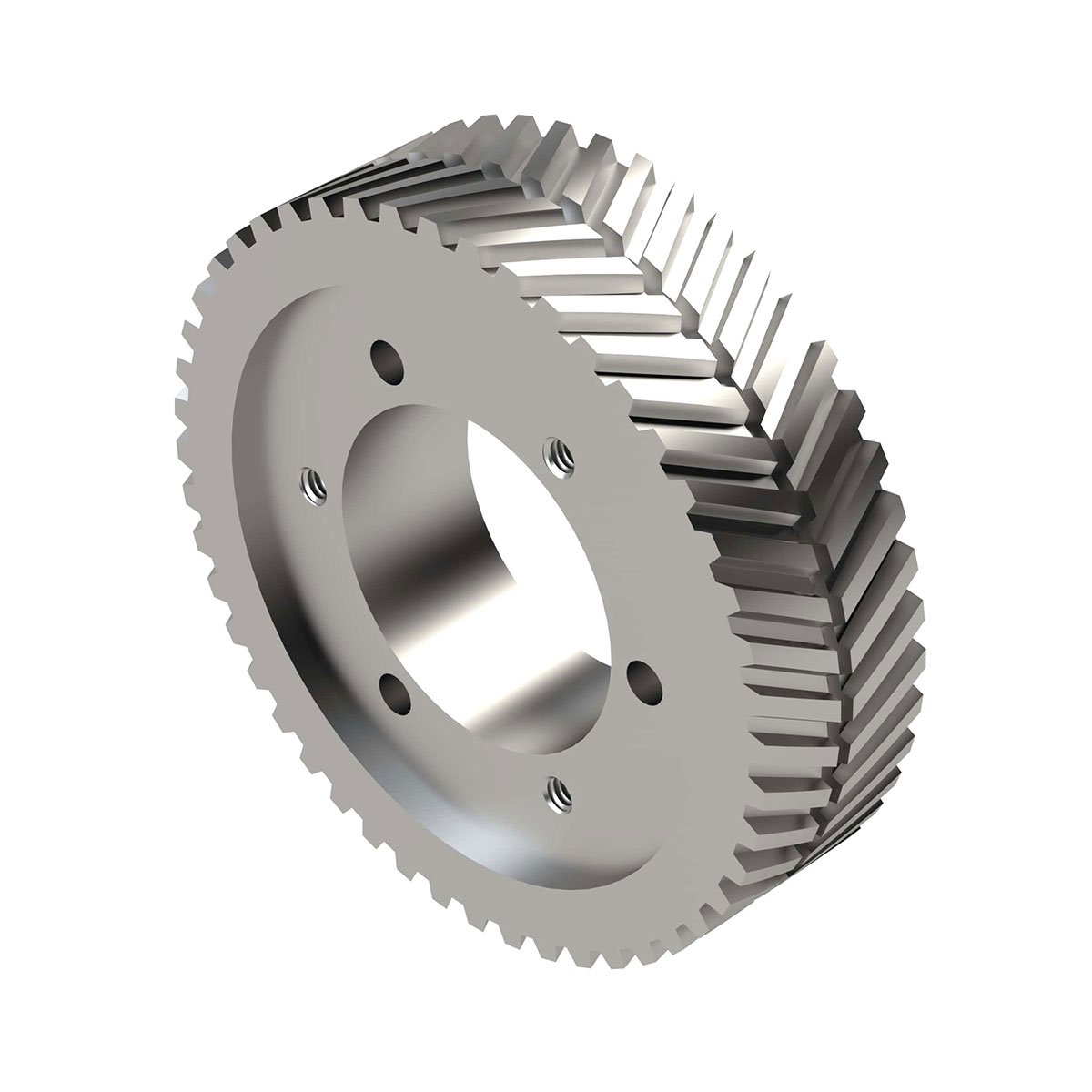
Opposed helical tooth geometry
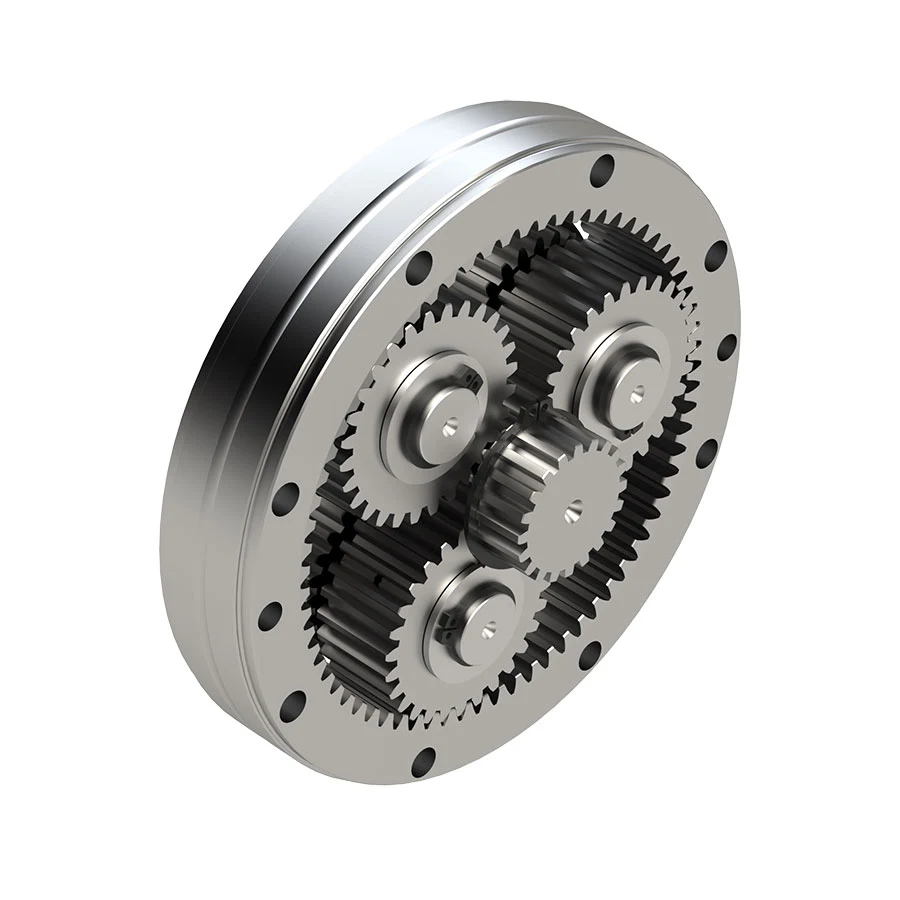
Concentrated power transmission
A drawing or part reference, quantity and target delivery are enough to start.