Gear Shaping & Skiving
A cutting route selected for component access and geometry.

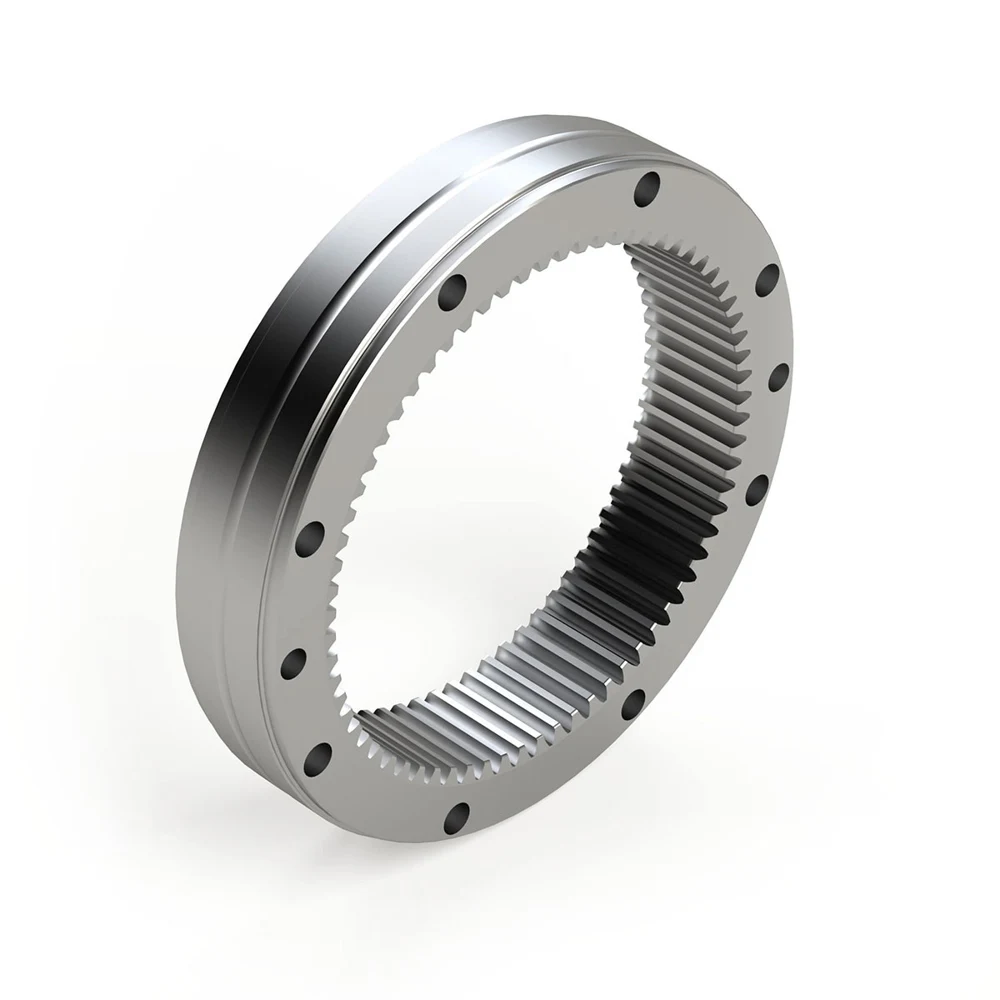
The circular element in your drive.
Ring gears form part of a larger transmission assembly. Gear diameter, tooth geometry and the mating components define the required configuration.
Supplied to your drawing by MAS Industrial Supply — specification review, documented inspection and one U.S. point of contact.
OVERVIEW
Ring gears often sit at the outer diameter of a planetary set or similar assembly, meshing with planet or pinion gears. Outer diameter, tooth form, mounting features and mating components must be defined together. Share the assembly context—planetary stage, slew drive or custom housing—so the ring can be quoted as part of a working system rather than an isolated blank.
Industries: Gearbox & speed reducer manufacturers · Energy equipment · Industrial manufacturing
PREPARE YOUR RFQ
Send what you have — a drawing, a part number or a sample. These details let us review the manufacturing and inspection route and quote accurately.
Read the full gear RFQ guide →MANUFACTURING & QUALITY
A cutting route selected for component access and geometry.
Material route and thermal requirements, defined for your component.
Profile, lead, pitch and runout checked on Klingelnberg gear metrology where specified, with records reviewed before shipment.
Manufacturing route, achievable quality class and lead time are confirmed after drawing review. Compare capabilities →
FAQ
Internal teeth are typically produced by gear shaping or power skiving; the route depends on diameter, tooth geometry and quantity.
Yes. Supplying the ring with the sun and planets keeps tooth geometry and inspection consistent across the stage.
RELATED FAMILIES
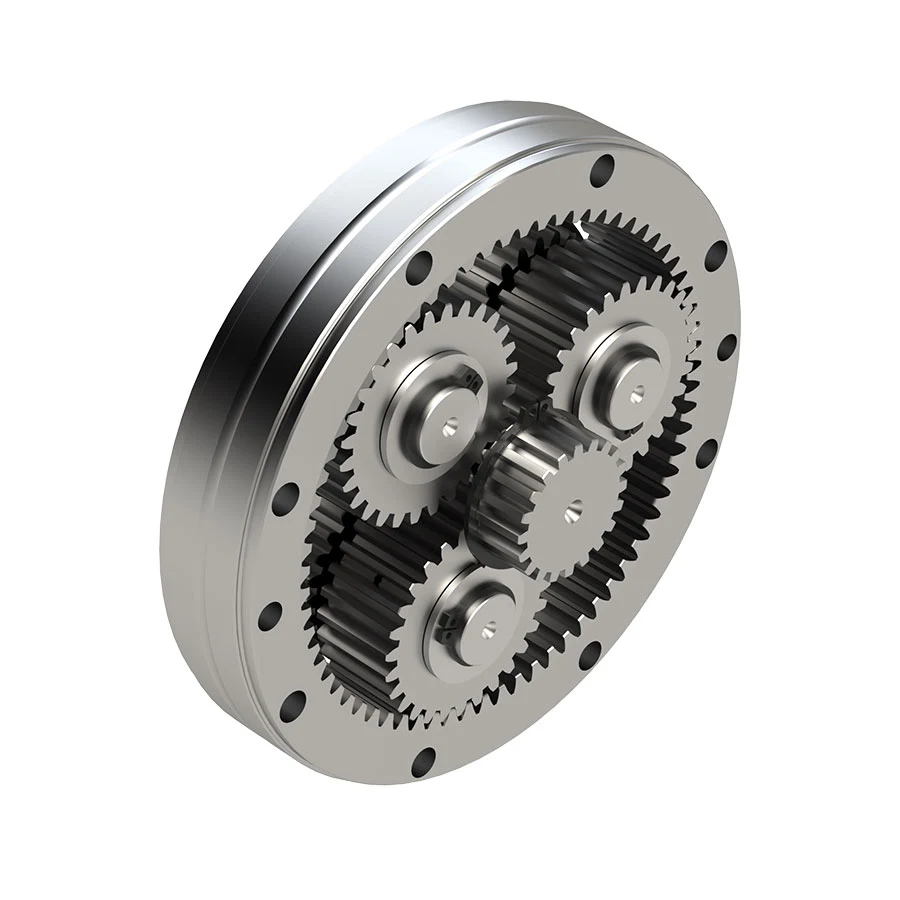
Concentrated power transmission
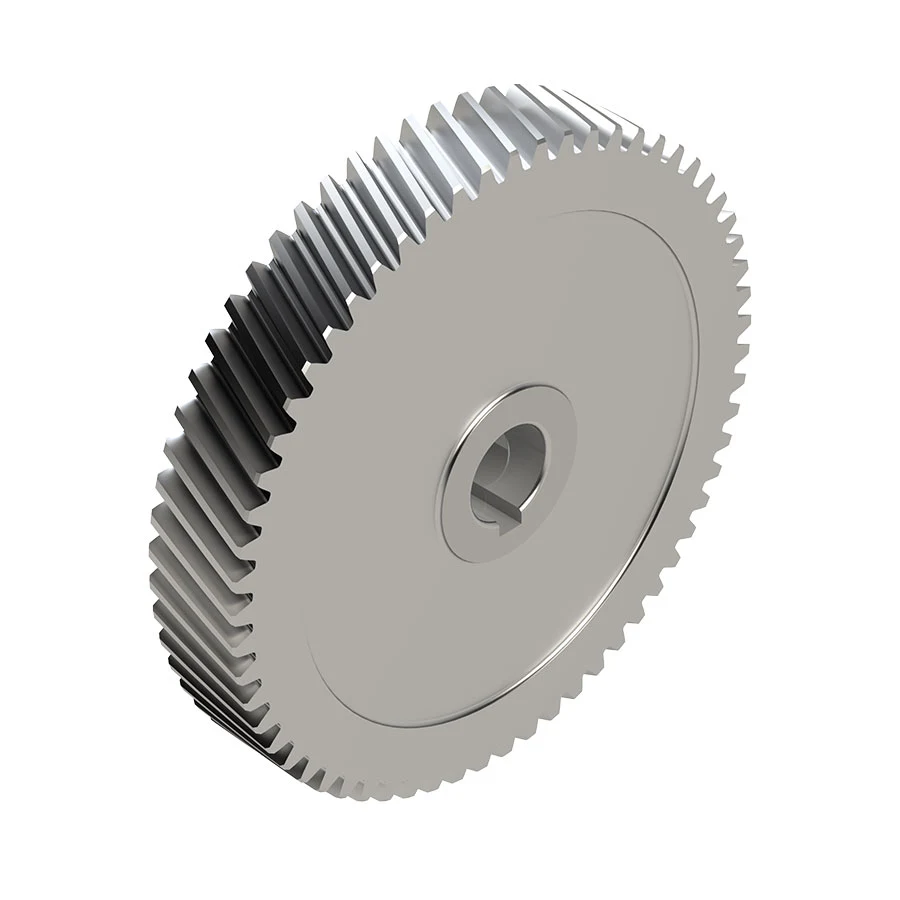
Smooth, progressive engagement
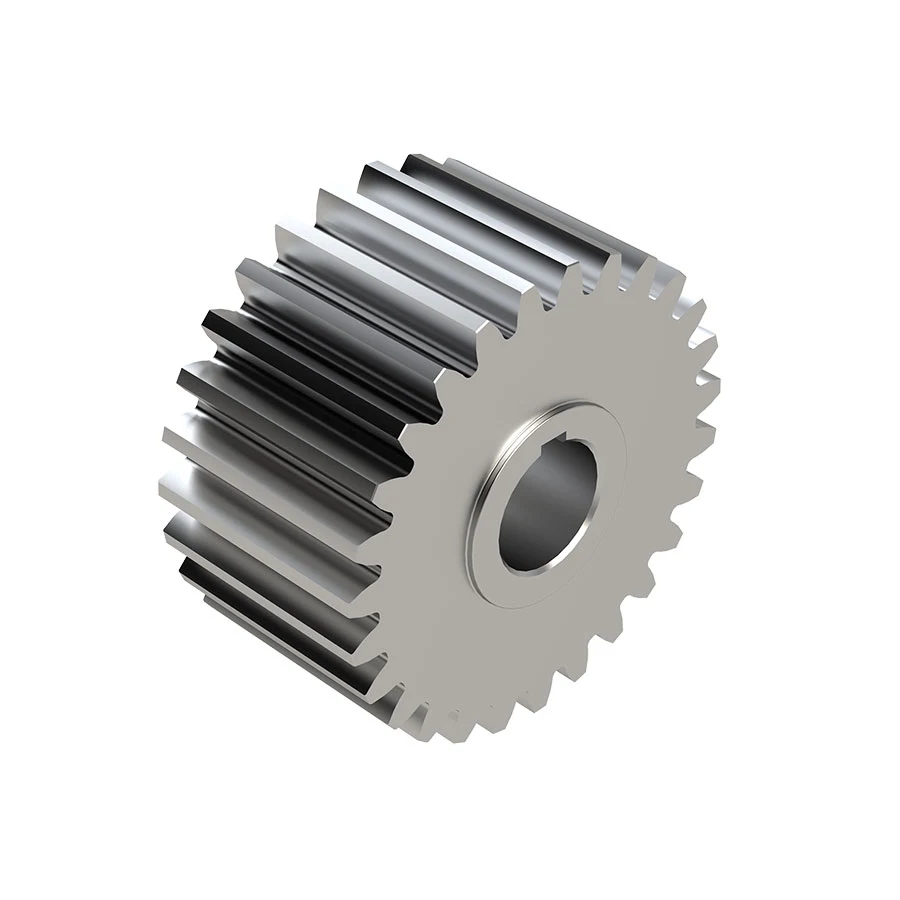
Straightforward power transmission
A drawing or part reference, quantity and target delivery are enough to start.